Forget People Pleasing. Work On Your Positioning Instead.
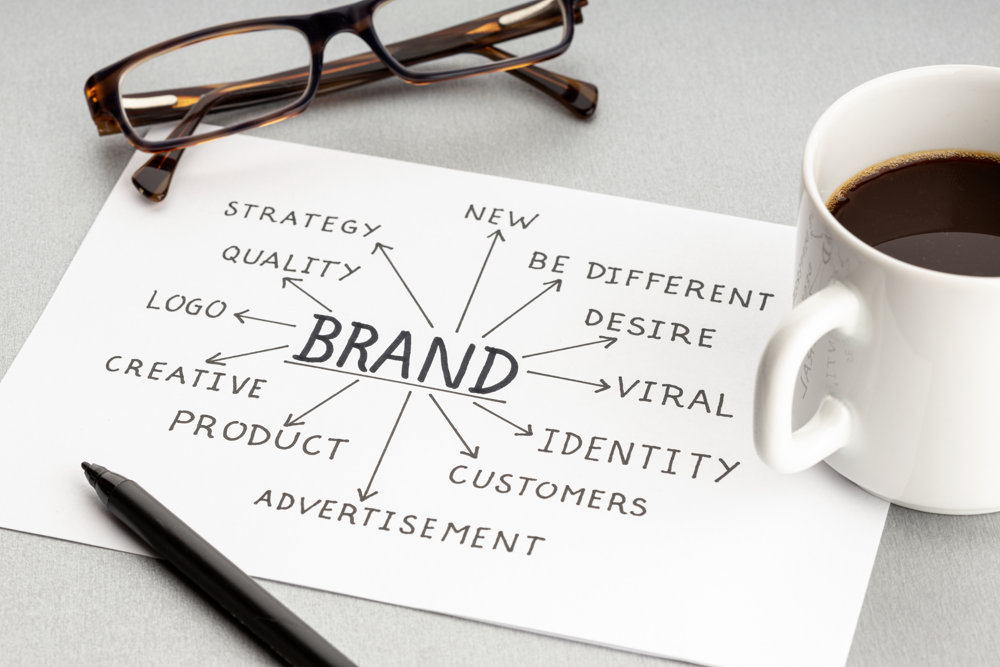
There’s nothing wrong with wanting to be liked, but some people take it too far. You’ve seen them. They know how to read the room. They don’t rock the boat. They always tell people what they want to hear. They’re people pleasers. While it’s nice to be nice, no one ever gets a sense of who you really are. In the worst case, there’s no there there: the people pleaser has been so busy trying to be who others want them to be that they forget who they are deep down or they never develop a strong sense of self to begin with. In the end, no one really knows you, so no one really develops any real feelings for or loyalty to you. They just think you’re “nice.”
You can’t please everyone. You shouldn’t go out of your way to be rude or cruel to anyone, obviously, but you also have to accept that the song some people are singing just doesn’t harmonize with yours. When you discover your authentic self and feel comfortable being who you are, some people aren’t going to like it, and that’s ok. You might have to work a little harder to find your people, but they’re out there, and when you find them, you’ll have friends for life.
Is your business in the business of people pleasing—trying to make every single customer in the world happy—or do you know what your business stands for, what it does well, and who it exists to serve? If you’re not sure, you can get on the right path by working on your positioning. You can’t win over every customer, but you don’t have to. You just need to find the right customers. Positioning is the first step to finding them.
What Is “Positioning”?
Positioning describes your place in the market. Chances are, there are other businesses doing what you do. Your positioning is the reason a customer would choose your business over another. It encompasses what you do, why you do it, and who you do it for.
Positioning comes before messaging. Messaging is the specific way you communicate your positioning to customers. For example, if you position yourself as the most trustworthy business in your industry, your messaging will be transparent and honest, communicated through factual, verifiable evidence like case studies and testimonials.
Positioning Checklist
Positioning your brand is one of the first steps to outlining a strategic roadmap, so it’s important to get this right. However, the process isn’t strictly linear. You might start off thinking your value proposition is one thing, but it might shift as you gather more customer data and competitive intelligence. If you do find yourself changing your view of your business as you think about these questions, that’s good! It means you’re thinking about the questions and considering every angle.
What Is Your Unique Selling Point?
Your USP is what makes you different from the competition. This could be the one thing you’re doing that no one else is doing, or some combination of factors that makes you stand out, like producing handmade products while also guaranteeing fast turnaround.
What Is Your Value Proposition?
While your USP helps you differentiate yourself from the competition, your value proposition answers, “How does a customer stand to benefit by choosing you over a competitor?”
You can’t be the best at everything, but you have to stand out in some aspect of business so that you can appeal to the customer who values that thing above all else. Examples include an excellent in-store customer experience, an easy-to-use website, superior products, a particular design philosophy that appeals to some people, fast shipping with transparent tracking, a superior customer service department, or anything else that provides the kind of value some customers are looking for.
Make your value proposition as specific as possible. Go beyond just “quality,” as different businesses can provide quality products in different ways that will appeal to different customers. What do you do specifically to deliver quality? Think beyond generalities. Do you have any proprietary technologies or methods? Do you represent a set of values customers will seek out?
Who Is This Business For?
You probably already have a sense of what kind of person will choose your business over another. Does that person actually exist? Answering this question should help you align your market research and competitive analysis with your value proposition to position yourself more clearly, focusing not just on what you can do, but on what problem you are solving for actual people.
It seems like a straightforward question, but businesses further up the supply chain, such as manufacturers or vendors, often mistakenly believe their immediate buyer is the customer their business is serving (e.g. the retail business a supplier sells to) rather than the end consumer.
Trade shows face a similar dilemma. Just as B2B businesses have to consider the needs of the end user, trade show organizers are often caught between the needs of exhibitors, who pay for booths and fund the show, and attendees, who provide value to exhibitors. It might seem counterintuitive that trade shows need to serve exhibitors rather than attendees. For a more thorough explanation, check out this article.
What Makes You Worth Paying For?
For the vast majority of businesses, competing on price is a losing game. Instead of asking how low you can push your prices, ask what makes your business worth it. This gets back to your value proposition, and phrased this way, it helps you determine what kind of customer is your ideal customer.
For example, if your luxury products are not selling, and everything about your messaging, from the layout of your website to your foil-stamped, embossed packaging, screams “expensive and exclusive,” lowering your prices is only going to confuse customers. The solution is to more clearly identify what it is that makes you worth it in the eyes of your ideal customer, that high-end consumer who is drawn to exclusivity.
Position Your Business So That the Right Customers Can Find You
Your business can’t be a people pleaser. When you try to appeal to everyone, you appeal to no one. Working on your positioning brings into clarity what your business stands for and what value it provides. It helps you present that value clearly to customers, which in turn brings the right customers to your door.
Andrea Hill's
Latest Book
Straight Talk
The No-Nonsense Guide to Strategic AI Adoption
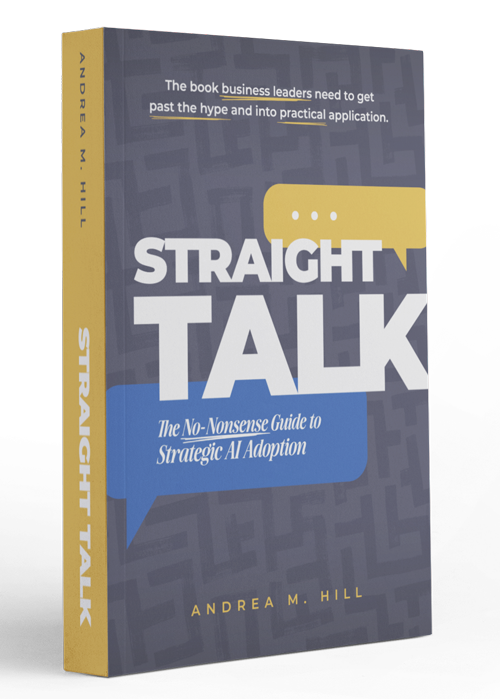
Where other books focus on prompts and tools, this book gives business leaders what they actually need: the frameworks and confidence to lead AI adoption responsibly, without having to become technologists themselves.